Introduction
Restoring a classic car is a fun process that requires passion, expertise, and patience. Every historic car restoration job is different, bringing back cars that have been around for decades. People who love classic cars restore them to keep the history of cars alive and enjoy the process of making these timeless machines look like they did when they were new. Many collectors don’t simply enjoy restoring ancient automobiles; they make it a way of life. They restore anything from old sedans to famous sports cars. Classic automobile repair lets owners enjoy the workmanship of the past and keep the aesthetic charm that modern cars often lack. It takes a lot of care and effort to restore a historic car, from fixing the body to rebuilding the engine.
Why Classic Car Restoration Is Important
Restoring old cars is worth more than just money. Restoring a car through vintage car restoration keeps the history of cars alive for future generations. Restoring a classic car restoration makes it last longer, so you can appreciate and drive it for many years to come. People who love cars frequently say that restoring a historic car is a way to pay tribute to how the car was originally designed and built. Also, restoring a classic car can greatly raise its market value, especially for rare or famous types. Restoring a classic car is a labor of love for each project, showing a dedication to quality and authenticity.
The Steps to Restoring a Classic Car
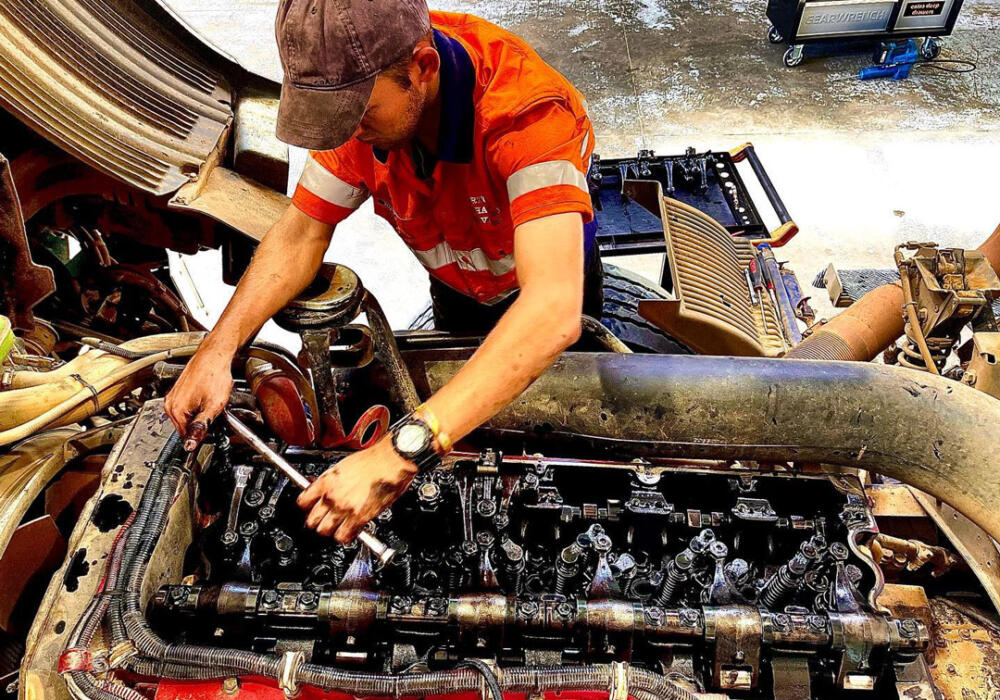
There are several steps to restoring a classic car, and each one is important to getting the best possible finish. The first step in restoring a classic car restoration is to evaluate it. This tells you what parts need to be fixed or replaced and how bad the car is. Next, the dismantling stage of antique automobile restoration lets professionals get to every part of the car, from the engine to the inside. Bodywork is a big element of restoring a classic car. It means fixing dents, rust, and damage to the car’s structure while keeping its original lines. After the bodywork is done, the paint job is done carefully to match the original color and finish. Mechanical repair, interior refurbishing, and finishing touches are the last steps in restoring a classic car restoration to make sure it looks and works like it did when it was new.
Tools & Methods for Restoring Classic Cars
You need special tools and skills to restore an antique car well. Every item, from paint sprayers to welding equipment, is very important for restoring historic cars. When restoring historic cars, skilled technicians utilize precise ways to line up panels, fix engines, and shine chrome parts. Knowing how cars were originally made is quite helpful when restoring historic cars since it makes sure that repairs and replacements look like the real thing. Finding rare or custom-made parts that may no longer be accessible is also a big element in restoring classic cars, which makes the process both hard and rewarding. A sign of good historic car restoration is paying attention to the small things.
Problems with Restoring Classic Cars
There are some problems that come up when restoring a classic car. Finding original parts that fit the automobile perfectly is one of the hardest parts of restoring a classic car. Rust, corrosion, and wear are further problems that make restoring old cars more difficult and demand more specialized abilities. Budget limits can also change the amount and quality of antique car restoration, so it’s important to prepare ahead. Even with these problems, people who love classic cars find restoring them to be quite rewarding since it turns old, broken-down cars into beautiful works of art. To get through problems while restoring a classic car restoration you need to be patient, dedicated, and knowledgeable.
The Benefits of Restoring Classic Cars
Restoring an antique car has benefits that go beyond how it looks. A vehicle that has been effectively restored is a mix of history, skill, and personal achievement. Restoring a classic car lets owners drive a piece of history and often makes other car lovers admire them. Also, restoring a historic car can be a good investment because well-restored cars tend to go up in value over time. The joy of restoring a classic car restoration comes from knowing that you have given it a second chance and helped to keep its legacy alive for future generations. People who love old cars often say that the moment they finish restoring one is something they will never forget.
Conclusion
People all around the world are still interested in classic automobile restoration because it is an art, a science, and a passion. Restoring old cars takes time, talent, and an understanding of how to get things right historically. Classic automobile restoration brings old cars back to life by fixing engines and making finishes immaculate. It also keeps the stories that these cars tell. Classic automobile restoration is a great way to commemorate automotive history and get a lot of satisfaction out of something you do as a hobby, a job, or an investment. People who restore historic cars can connect with history, workmanship, and the eternal attraction of these classic car restoration.
About the Author